+Buyer's guide
Aircraft Scheduling Software: The 2026 Buyer's Guide
Every group that shares an airplane starts with a calendar, and most end up shopping for something else. The reason is always the same: a calendar cannot say no. It will let two members hold the same Saturday, hand out an airplane the week its annual runs out, and leave a reservation unflown while everyone assumes the airplane is taken.
This guide is about making the call on purpose: what a scheduler checks before it says yes, the six questions that separate these products, and a straight read on the 2026 shortlist. We build one of them, and we will say where somebody else fits better.
1. A calendar is not a scheduler
Be fair to the shared Google Calendar first: for two partners and one airplane it is genuinely enough. Two people who talk regularly can see each other's blocks, settle an overlap by text, and both remember the annual is due in March. Buying software for that solves nothing.
It breaks the moment a rule exists that somebody might break. A calendar will not reject an overlap, so a double booking becomes a social problem. It has no concept of a booking limit, so the member with the fastest refresh finger owns the weekends. It does not know the airplane is out of annual, so it keeps handing it out. And a cancellation at eight at night goes quiet, so nobody takes the slot.
2. What a flight scheduling system actually checks
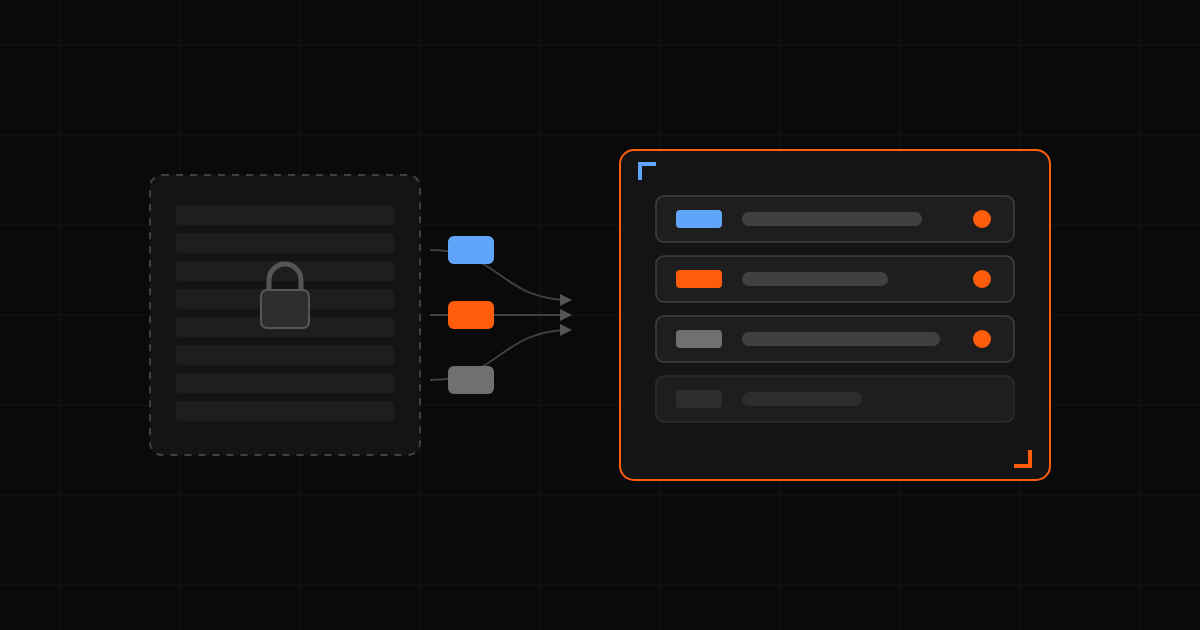
Here is the sequence a real scheduler runs before a reservation exists. A calendar performs none of it.
- Does anything else overlap on this tail? The window is checked against every reservation on that tail and the second one is refused, on the server. A browser warning is a suggestion, and somebody clicks past it.
- Is this member allowed to book this, this far out, for this long? A student, a renter, a partner, and a staff instructor should not share limits. Rules per tier: lead time, maximum length, open bookings, aircraft access.
- Is the airplane airworthy and not grounded? An overdue annual, an expired airworthiness document, or an open safety squawk should make the tail unbookable, not annotated.
- Is the pilot current, and are their documents good? Medical, flight review, ninety-day currency, IPC, and renter insurance on a rental fleet. The right moment to find a lapse is at booking, not at the counter on the morning of the flight.
- If this is a dual flight, is the instructor free? The airplane and the CFI have to be one reservation, checked against the instructor's published availability and time off.
- What happens the moment somebody cancels? A watch list: members subscribe to the tails they want, hear when a slot opens on days and times they said they are free, first to book takes it.
- Does the reservation reach the member's own calendar? Reservations should push over iCal or Google Calendar, and booking has to work from a phone on the ramp.
3. Six questions that separate the tools
Every vendor can check the box for "scheduling" and for "maintenance tracking" and mean something different by both. These six are harder to fake.
1. Can it refuse a double-booking on the server?
Ask the vendor to book an aircraft that is already reserved. A good answer is a rejection produced before anything saves, not a yellow banner. Two people booking at the same moment from two phones is the case a browser-side check misses.
2. Can maintenance stop a booking?
Nearly everything here stores a next-annual date. Far fewer refuse the booking once it passes, and that gap is the difference between a record keeper and a control. Ground an airplane live in the demo, then try to book it.
3. How are booking rules enforced per tier?
Most groups already have these rules. They live in the bylaws and get enforced by whoever is willing to send an awkward message, which is volunteering, not enforcement. A good answer applies the window, the cap on open bookings, the length limit, and aircraft access the instant a reservation is created.
4. What happens when somebody cancels?
A canceled Saturday nobody hears about is a lost flight and a lost billable hour. A good answer refills it from a watch list, filtered by when each member said they are free. Ask about no-shows too: a booking that flies zero hours costs the same.
5. Does it live where members already look?
A scheduler people have to remember to visit gets checked less each month. A good answer syncs into the member's own calendar and renders each location in its own timezone.
6. Is scheduling the whole problem, or does money follow the flight?
For a lot of groups the calendar is the visible symptom and the money is the disease. If money is handled well elsewhere, buy the cheapest reliable scheduler. If not, a scheduler that ends at the reservation is a purchase you make twice.
4. The schedulers people shortlist in 2026
These are the names that come up when a US group sharing aircraft goes shopping. Ours is first because it is the one we recommend, which makes every claim easy to check.
Resyrv
Ours. Reservations validate on the server against the aircraft and, on a dual flight, against the instructor and their published availability, before anything saves. Member-tier rules run at booking time, and a lapsed medical, flight review, ninety-day currency, IPC, or renter insurance blocks the booking at the attempt. Grounding an aircraft removes it from the calendar and blocks dispatch until someone returns it to service. Cancellations trigger a filtered watch list, and reservations sync both ways with iCal and Google Calendar in each location's own timezone. Past the calendar, the reservation carries into dispatch, meter capture, and an itemized ledger.
- Strongest at: refusing things. Server-side conflict rejection, grounding as a control rather than a note, currency checked before the slot saves, and a watch list that refills a cancellation.
- Worth knowing: we are newer than Flight Circle and MyFBO, with fewer years in production. The native app is iOS first, so Android members use the mobile site. SMS is not shipped, so alerts are email.
Schedule Master
A scheduling-first system taking club reservations since before smartphones, priced per resource per month with optional billing and maintenance modules. It also schedules boat clubs: a resource is a resource, and aviation sits on top.
- Strongest at: doing one job cheaply and reliably. If you need online reservations with club rules and handle money and airworthiness elsewhere, this is the least expensive credible answer.
- Groups outgrow it when: money enters the picture. Billing is an adjunct to scheduling, payments are typically handled outside the system, and accounting means manual export and re-entry.
Aircraft Clubs
A long-running name in flying-club and co-ownership circles, priced per aircraft, and one of the few here built for clubs rather than adapted from school software.
- Strongest at: club scheduling at low cost, with granular locking on scheduling rules and workable mobile parity. Clubs well past sixty members report running on it without trouble.
- Groups outgrow it when: they need the pieces behind the paywall. Users report instructor booking, maintenance tracking, and the CFI features costing extra on top of the per-aircraft price, which is exactly what a club that instructs needs.
Flight Circle
The default answer for a lot of US clubs, in production since 2014 and used in all fifty states. Scheduling, billing with a point of sale, squawks, maintenance reminders, and QuickBooks sync, priced per aircraft with unlimited users.
- Strongest at: longevity, value per aircraft, and card-present payments at a front desk with real hardware.
- Groups outgrow it when: they want itemized invoices, maintenance that blocks a dispatch instead of reminding somebody, or a native app rather than a mobile-friendly site.
Coflyt
A tidy aircraft-tracking app for owners: tach tracking, inspection reminders, squawk notes, and basic scheduling in a clean interface.
- Strongest at: a sole owner, or two partners who settle up over text, wanting maintenance reminders and light scheduling. If that is you, use it happily.
- Groups outgrow it when: settling up stops being a text message. Cost tracking is built around visibility rather than statements, payment happens outside the app, and maintenance reminds rather than enforces.
MyFBO.com
The most modular option here and the one reaching furthest into commercial operations: fuel sales, ramp sales, shop orders, inventory, dispatch and check-in. Its scheduling engine does conflict detection and drag-and-drop planning, and instructor availability setup is something users specifically praise.
- Strongest at: operations attached to an FBO or a maintenance shop. Fuel, ramp, and inventory handling is a category general scheduling software does not have. If the fuel farm is your problem, we point you here.
- Groups outgrow it when: they never grow into it, the usual outcome. The interface is widely described as antiquated and not mobile-friendly, and reviewers rate it less user-friendly than its main alternatives.
AerScheduler
The newest and smallest name here, built by a CFI for his wife's flight school. Scheduling, invoicing, maintenance, and documents are free, with a transaction fee on payments processed through it.
- Strongest at: getting a group off spreadsheets with no budget at all. No independent complaints have surfaced. If cost is the constraint, this beats a free calendar.
- Groups outgrow it when: they need a track record. Finding a reference customer at your size is hard, and the free core means the payment fee is where the economics live.
Google Calendar and spreadsheets
Still the most common aircraft scheduling system in general aviation. It costs nothing, everybody knows how to use it, and there is nothing to migrate.
- Strongest at: two partners, one airplane, and no rule anybody would break. At that size we would rather say so than sell you a subscription.
- Groups outgrow it when: a third person joins, or an airplane goes out of annual. It cannot reject an overlap, cap a booking, ground an airplane, or tell anyone a slot opened up.
5. Matching the scheduler to the group
- Two partners, one airplane. Scheduling is trivial. The cost split is not, and what ends partnerships is a number nobody can reconstruct later. If money settles easily, stay put or use Coflyt.
- A ten to thirty member club. Booking rules matter more than the booking screen: tiers, caps, a cancellation policy the system applies, grounding that grounds. Schedule Master and Aircraft Clubs cover the calendar cheaply. Resyrv is the answer when the treasurer is in the room.
- A club that instructs. Instructor availability, dual versus solo, and currency all belong to the same reservation, and cheap tools drop out here.
- A rental fleet. Utilization is the business, which makes the cancellation watch list a revenue feature. Renter currency, endorsements, and insurance have to gate the booking.
- A group inside an FBO. The one place we point somewhere else. Fuel and ramp sales are a different category, and MyFBO reaches into it. Work orders and parts for your own fleet we do have.
6. Is there free aircraft scheduling software?
Yes, in three forms, and they are not equivalent. A shared calendar is free forever and works for two partners with nothing to enforce. AerScheduler offers a free core and takes a fee on payments it processes, a real option for a group with no budget. And most paid products, ours included, offer a trial long enough to run your fleet through them first.
What you give up depends on which free you pick. A calendar gives up every check in this article: no rejection, no limits, no grounding, no currency gate, no refill. A free-core product gives up the track record and moves the cost into a percentage of what you collect. Free is correct at the smallest size, and stops being correct the first time a rule has to be enforced.
7. Common questions
What is the difference between an airplane scheduler and a flight scheduling system?
A scheduler holds reservations. A flight scheduling system connects the reservation to everything around the flight: whether the aircraft is airworthy, whether the pilot is current, who the instructor is, the meter readings, and the charges that result. Everything behind the booking screen is different.
Does aircraft scheduling software work for a two-person partnership?
The scheduling side barely needs software at two people. What a partnership needs is the record behind it: who flew, what the meter read, and what each partner owes. Watch the pricing shape, since per-member pricing punishes the arrangement you have.
Can it schedule instructors as well as aircraft?
Some can, some only appear to, and at least one charges extra for it. Test whether a dual flight is one reservation that checks the airplane and the CFI together, including availability and time off, so students only see slots where both are free.
How long does switching schedulers take?
Less than a week for almost every group, often a single afternoon. Most of the elapsed time goes into agreeing on booking rules, a board conversation rather than a software task.
8. The short version
Pick on what the software refuses to do. The differences appear when two people want the same Saturday, when the annual ran out on Tuesday, when a student is out of currency, and when somebody cancels at eight at night. Run those four moments against every candidate.