+Reserves
Engine Reserves: How Much Should I Set Aside Per Flight Hour?
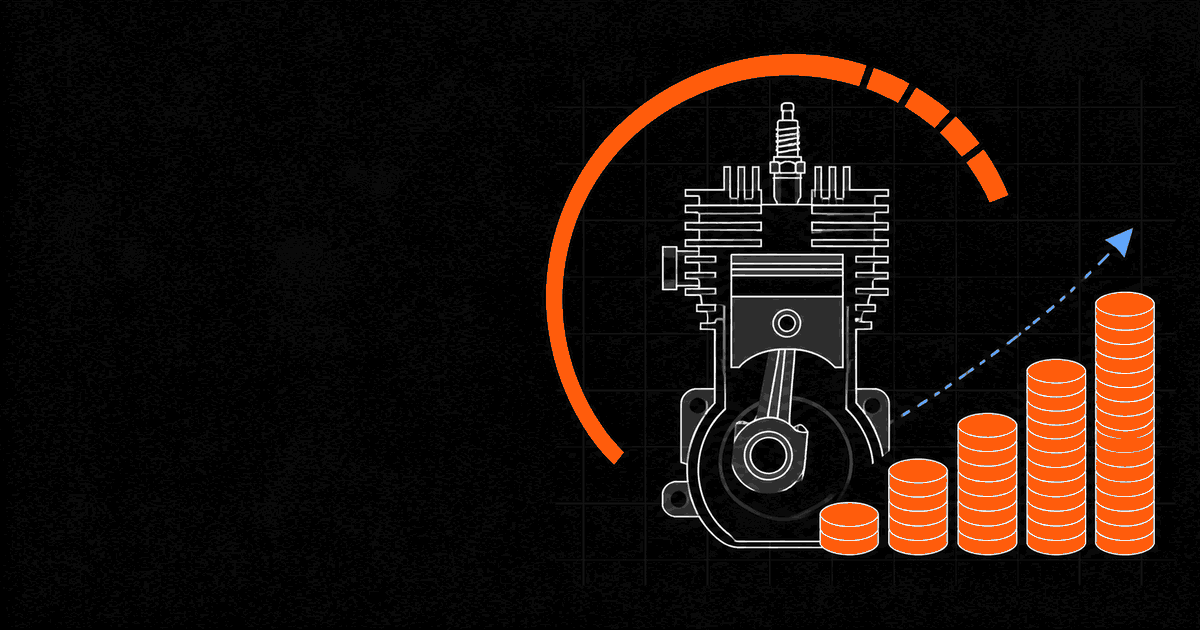
Start with the only two numbers that matter: what the overhaul will cost, and how many hours away it is. A Lycoming O-360 field overhaul quoted at $36,000 against a 2,000-hour TBO is $18 per flight hour. That's the whole formula. Every hour the airplane flies without $18 moving into a reserve is an hour the group is borrowing from a future version of itself that will be asked for a five-figure check on short notice.
1. The formula, honestly applied
Reserve per hour = (expected overhaul cost - expected core and salvage value, if any) / (TBO - hours already on the engine when you start reserving). That last term is the one groups skip. If the engine already has 1,100 hours and nobody reserved for them, the remaining 900 hours have to carry the whole $36,000 - which is $40 per hour, not $18. Starting a reserve at mid-time doesn't let you use the from-new rate; the arithmetic doesn't care when you got organized.
- Quote the overhaul at today's prices, then add margin for the years between now and TBO. Overhaul costs haven't gone down in living memory.
- Budget for the surprises that ride along: engine mounts, hoses, baffling, and the prop strike inspection nobody planned. A 10-15% adder isn't padding; it's history.
- Recompute annually. A reserve rate set in 2022 is funding a 2022 overhaul.
2. Prop, paint, and avionics: same math, different clocks
The engine is just the biggest instance of a general rule: anything with a known replacement cost and a predictable life can be reserved per hour or per month. A $4,000 prop overhaul on a 2,000-hour or 6-year clock is $2 per hour. Paint and interior age by calendar, not tach, so they fit a monthly accrual better. The discipline is identical - name the future bill, divide by the time remaining, and post the accrual on every flight or every month without a vote.
3. Why commingled reserves fail
Most groups that reserve at all pool the money into the general operating account, where it looks exactly like a healthy balance. Then a soft year happens - an insurance hike, a big annual - and the "reserve" quietly becomes the cushion that absorbed it. Nobody voted to defund the engine. The balance just stopped being attributable, and money that belongs to everything belongs to nothing.
The fix is structural. Keep each reserve as its own named fund with its own running balance, funded automatically by the hourly accrual, and report it separately from operating cash at every board meeting. When the treasurer can show the engine fund at $21,600 against 1,200 hours flown, the conversation about whether the club is ready for the overhaul takes ten seconds.
4. The partnership version
In a two- or three-owner partnership the same failure has a sharper edge: the partner who flew 300 hours and the partner who flew 40 didn't consume the engine equally, and a reserve funded by equal monthly contributions makes the low-time partner subsidize the high-time one. Fund wear by usage, fund calendar items by share.