+Solutions

The airplane is either airworthy or it isn’t on the schedule.

Work orders with parts and labor on them, a clock you can actually bill against, inspections tracked on tach and calendar at once, an AD ledger per tail, and a grounding that removes the aircraft from the calendar instead of leaving a note about it.

What Resyrv does for maintenance

Most maintenance software records. This one also refuses.

Every maintenance system will hold a next-due date. Far fewer will stop an aircraft from being dispatched once that date passes, and that gap is the whole difference between a record and a control. In Resyrv the maintenance state of a tail is wired directly into the schedule: an overdue inspection, an open safety squawk, or an expired airworthiness document takes the aircraft off the calendar and refuses dispatch until somebody returns it to service.

The rest of it is the day job. Work orders that carry parts, labor, hours, attachments, and a sign-off. A parts catalog that knows what is on the shelf and what has fallen under its reorder line. Reminders that count against tach, Hobbs, and the calendar together. And a cost that lands where your operating agreement already says it should, without anybody retyping it into a spreadsheet at the end of the month.

  • Work orders with parts, labor, and attachments
  • A start-stop labor clock per job
  • Inspection reminders on tach, Hobbs, and calendar
  • AD and SB ledger per tail, enforced on dispatch
  • Parts catalog with reorder minimums, plus vendors
  • Squawks reported from a phone at the aircraft
  • Grounding that blocks booking and dispatch
  • Maintenance cost posted to the ledger automatically
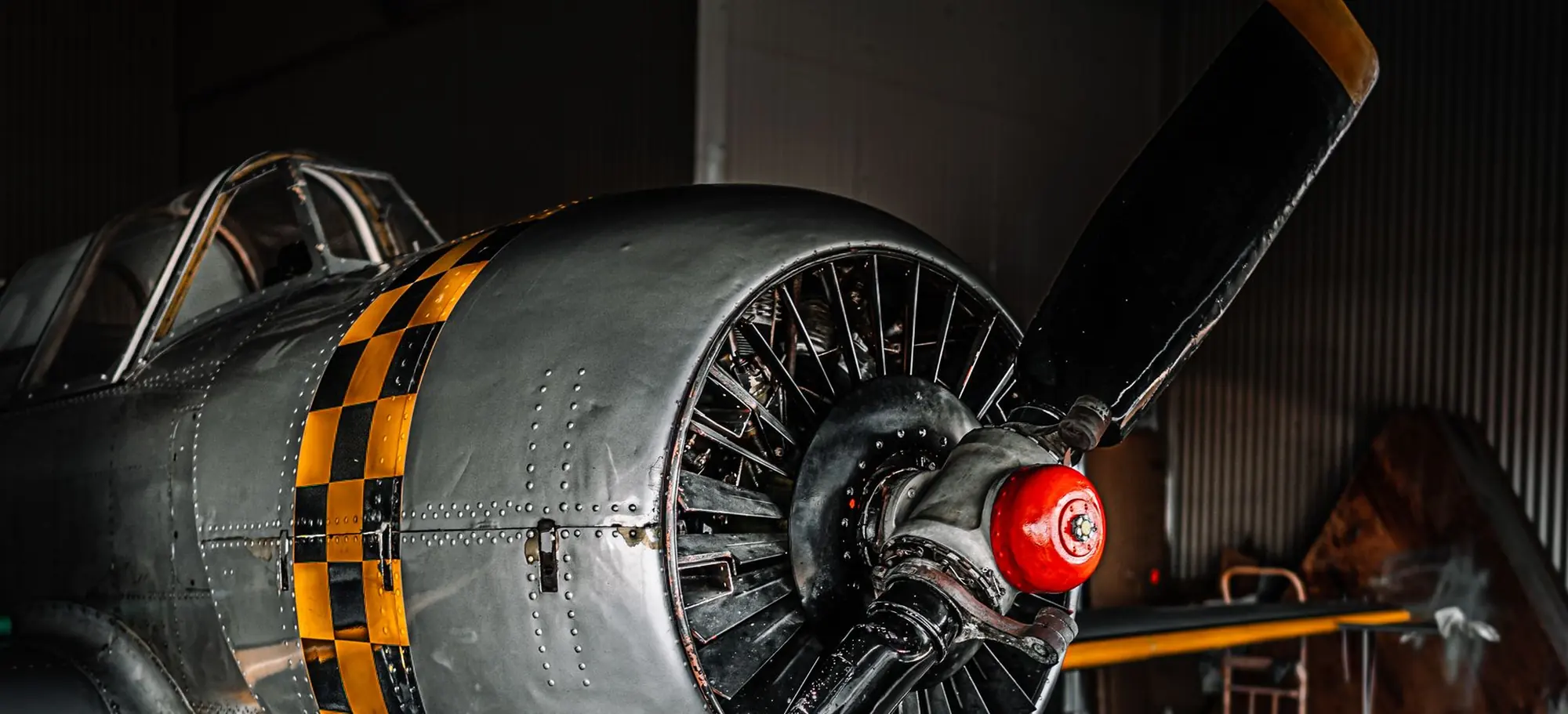
  • Radial engine cowling and propeller hub on an aircraft parked inside a hangar

What you get

01

Work orders that carry the whole job

Open a work order against a tail, assign it, name the outside vendor if the work is going out, and schedule it. Parts and labor go on as separate lines with part number, serial, quantity, and unit cost, so the job totals itself. Photos, quotes, and paperwork attach to the order rather than living in somebody's email.

02

A labor clock, not a guess

Start and stop time against the work order as you work it, with a note on each entry. Mis-clocked time gets voided with a reason rather than deleted, so the hours on a job stay auditable after the fact.

03

Inspections tracked on whichever comes first

Annuals, 100-hours, ELT batteries, transponder and static checks, VOR checks, and any interval you define, tracked against tach, Hobbs, and the calendar at once. The reminder fires on whichever arrives first, with the lead time you set.

04

AD and SB compliance per tail

Keep the AD and SB ledger for each aircraft with method of compliance, due condition, and completion history. Recurring due math is done for you, and an overdue record can warn on dispatch or ground the aircraft outright. Applicability stays your call and your mechanic's.

05

Parts and vendors on the shelf

A parts catalog with part number, alternate number, serial, quantity on hand, reorder minimum, unit cost, condition, and where it physically lives. Vendors sit alongside it with contacts and addresses, so a reorder does not start with hunting for a phone number.

06

Grounding that actually grounds

A grounded aircraft leaves the schedule. Members cannot book it, dispatch refuses it, and it stays that way until somebody with the authority returns it to service. A note nobody reads is not a grounding.


Radial-engine aircraft in a hangar mid-job, cowling open and drip trays under the propeller

The record is only worth something if it’s written by the person who was actually under the cowling.

Common use cases

Who this is actually for

The club with one maintenance officer

One volunteer holds the airworthiness of the whole fleet in their head and their inbox. Work orders, reminders, and the AD ledger move that into a record the next officer can pick up without a handover meeting.

The school that cannot afford a surprise

A trainer going out of annual mid-week costs a day of revenue and three rescheduled students. Reminders fire on tach and calendar together, far enough out to book the shop instead of discovering it on a Tuesday.

The shop keeping a managed fleet flying

You maintain aircraft you do not own. Work orders, parts, labor hours, and sign-offs live per tail, and the cost lands on the owners according to rules they already agreed to.

Squawks that route themselves

A pilot reports a squawk from a phone at the airplane. It reaches the mechanic, attaches to the work order it becomes, and either grounds the aircraft or does not, according to how it was rated.

The annual, reconstructed later

An insurer, a buyer, or an inspector asks what happened to this airframe. Work orders, service events, sign-offs, certificate numbers, and attachments are already in one place per tail, with dates.

Knowing what maintenance actually costs

Six months of completed work orders, totalled by month, per aircraft. Most operations discover their reserve rate has been wrong in one direction or the other since the day they set it.

Written for the person signing it off

The mechanic is the second reader of every maintenance product and usually the last one considered. The record Resyrv keeps is the one an IA, an insurer, or a buyer asks for two years later.

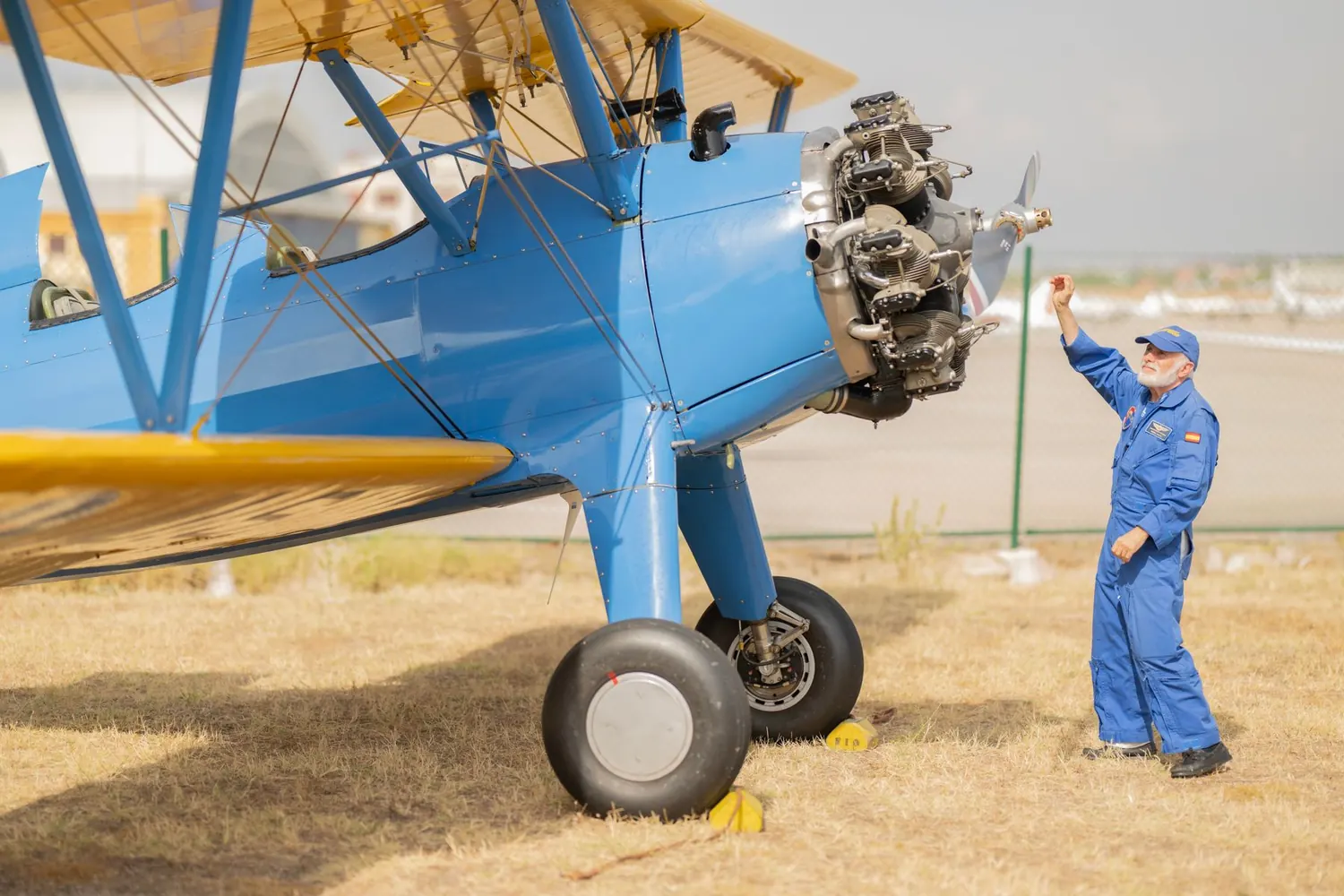
See the maintenance feature detailPerson in coveralls working at the radial engine of a blue biplane on a grass field
  • Sign-off records the name and certificate number of whoever performed and approved the work.
  • Maintenance release text and a return-to-service note are stored on the order, not retyped from memory.
  • Completion captures the Hobbs and tach at the time of work, so the next interval counts from the right number.
  • Attachments hold the paperwork: 8130s, quotes, photographs of what was actually found.
  • Service history is tracked per component, so engine, prop, avionics, and airframe each carry their own time and next-due.

Questions worth asking us

01

Can we invoice outside maintenance customers through Resyrv?

No, and this is the honest edge of the product. Maintenance cost posts to the owners of the aircraft: split across partners by ownership share, charged to the owner's account, or recorded as an organization expense with any reserve drawn down first. There is no customer invoice, no accounts receivable for third-party work, and no estimate-to-invoice flow. A shop selling labor to walk-in customers needs a shop system for that half.

02

Does this replace our A&P's logbook?

No. Resyrv is the operational record: the reminders, work orders, sign-offs, and history your team references daily. Logbook entries are still made by your A&P. Resyrv exports maintenance data for reconciliation so the two agree.

03

Where do the ADs come from?

Resyrv carries a feed of published FAA airworthiness directives you can search and attach to a tail. What it will not do is decide applicability for you. You and your mechanic say which ADs apply to which aircraft; Resyrv then tracks the due condition, does the recurring math, and enforces it on dispatch if you tell it to.

04

Do parts levels drive anything, or are they just a list?

They are a catalog with a reorder minimum, so you can see what has fallen below the line, and parts pulled onto a work order carry their number, serial, quantity, and cost onto the job total. It is not a full inventory system with automatic depletion and purchase orders. If you run a stockroom as a business, it will feel thin.

05

Who can see and do all this?

Maintenance is permission-gated separately from everything else. A mechanic can be given the maintenance module without any access to member money, and a treasurer can be given the money without the authority to return an aircraft to service. Every action carries an audit trail.

Bring us a tail number and its last annual and we will show you what the record looks like a year from now.

Get started

See it with your own aircraft.

Add your aircraft and your rates, then see the schedule, the squawks, and the ledger all work off one record. No card required.