+Welcome
MyFBO Has Closed. You're Welcome Here.
MyFBO.com closed on 31 August 2026, after running flight schools, clubs, and FBOs since 1998. Twenty eight years is a long time in software and a very long time in a category this small. A lot of operations learned what online scheduling even was on that product, and plenty of them are still flying today partly because it existed. It deserves a better sendoff than a pile of competitor landing pages.
It also did the decent thing on the way out. Every account could pull a full database backup before the lights went off, so customers left holding their own fleet, roster, balances, and training records. That isn't standard. Software companies close all the time and take the data with them. MyFBO handed people their operation back.
So this isn't a post about how much better we are than a product that just spent 28 years doing right by this industry. It's an invitation. If you're still deciding where to land, here's what moving to Resyrv actually looks like, what it costs to get set up, and where we'd tell you to go somewhere else.
1. Onboarding is free for you, with no deadline
You didn't choose this migration and you shouldn't have to pay to recover from it. Every MyFBO customer gets full onboarding onto Resyrv at no charge. There's no window to beat, no migration spot to claim, and no expiring offer at the bottom of this page. Come in January if January is when you're ready.
What that actually means, in plain terms:
- Send us your backup file and we'll get your records back into a form you can read, and send you clean spreadsheets of your people, balances, aircraft, and training progress. You keep those whether or not you ever become a customer. They are your records and you shouldn't have to buy software to open them.
- A real person builds your workspace with you on a call. Not a chatbot, not a recorded webinar, not a help article with a checklist. We put in the fleet, the rates, the roster, and the opening balances while you're on the phone.
- We'll set up your booking rules, your instructor availability, and your maintenance reminders with you, rather than handing you a settings page and wishing you luck.
- If you'd rather run us alongside whatever you're using now for a few weeks, that's fine and fairly common. Nothing forces a cutover date.
We're not doing this as a limited-time promotion. It's what we think you're owed after a shutdown you didn't ask for.
2. What you'll recognize, and what's different
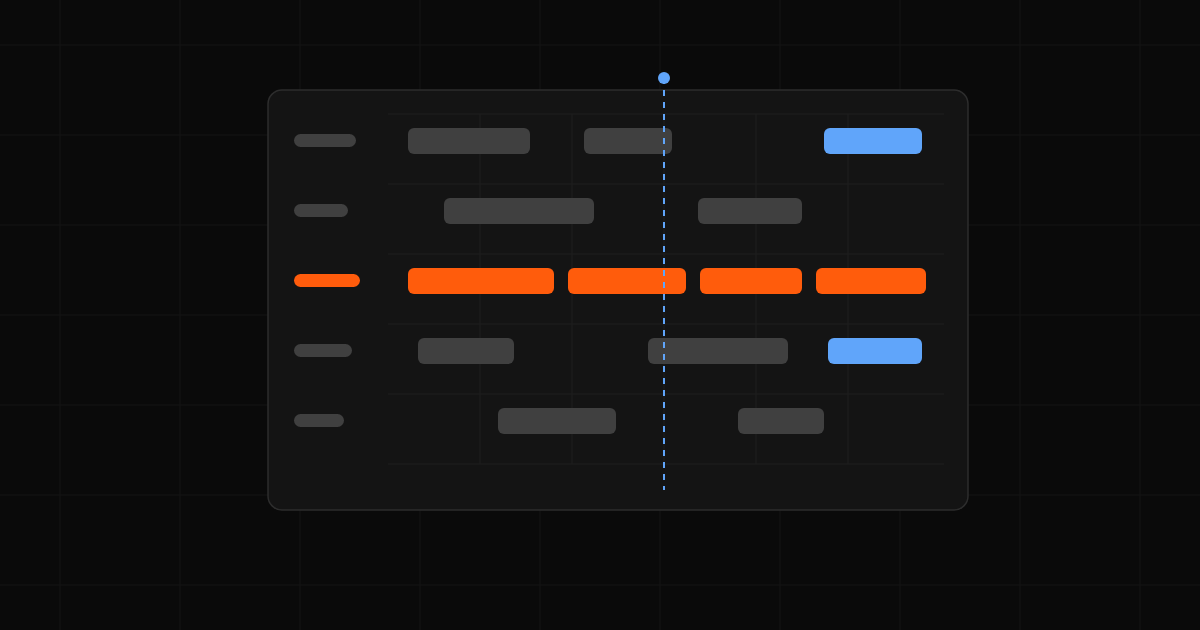
The shape of the day is the same. There is a schedule with your aircraft down one side, members book their own slots, instructors have availability, and the flying gets billed. If you ran a school or a club on MyFBO, none of that will feel foreign.
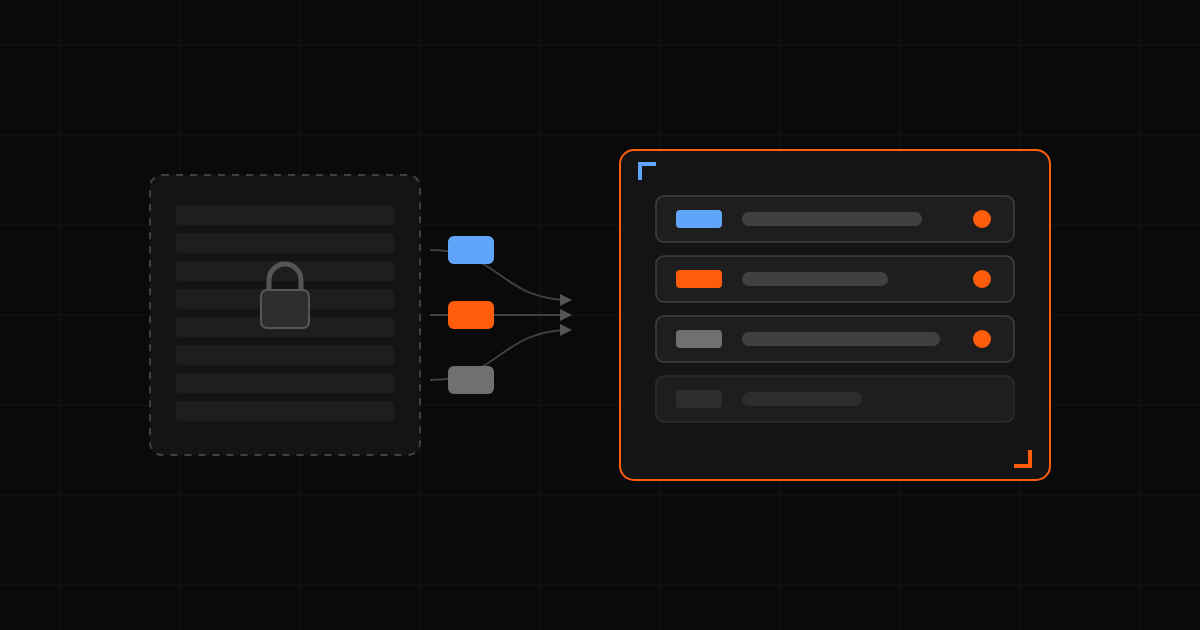
The thing most people notice first is that Resyrv says no. A calendar records what you asked for; a scheduler refuses what it shouldn't allow. Reservations are checked on the server, so two members on two phones can't both hold Saturday. A lapsed medical, flight review, ninety day currency, IPC, or renter insurance certificate stops the booking when it is made, not at the counter on the morning of the flight. Grounding an aircraft pulls it off the calendar and blocks dispatch until somebody returns it to service. If a rule lives in your bylaws, it can live in the software instead of in whoever is willing to send the awkward message.
The second thing is that the money follows the flight without anybody retyping it. A reservation carries into dispatch, picks up the meter readings, and comes out the other side as an itemized charge on a member ledger. Statements close the month, payments post themselves, and it exports to QuickBooks or Xero. If your treasurer has been the integration between two systems, that job goes away.
The third is that it's built for a phone. Members book, check their balance, and report a squawk standing at the airplane. There is a native iOS app and the web app works properly on a phone browser. The most common complaint we heard about the old interface was that nobody wanted to open it on the ramp, and that was the first thing we designed around.
3. What your first couple of weeks look like
Nobody has to stop flying for this. Most operations are taking real bookings inside a week and have closed a billing cycle by the end of the second.
- We build the fleet together. Tail numbers, current tach and Hobbs off the panel, rates, and the inspection dates out of the logbooks. Read those off the airplane rather than the old system, because the airplane is the one that's right.
- We load the roster and set one opening balance per member, dated, so every statement can show where the number came from. Check the total against your bank before you go further. This is the only step where a mistake gets expensive later.
- We encode your rules. Booking windows, how far out and how long, how many open bookings per member, who can fly what, and which currency documents actually block a booking.
- Instructors come in first, on their own, and set their availability. They find the configuration mistakes that admins miss.
- Everyone else gets an invite. You keep answering the phone for a week, which you'd do anyway.
- You close a full billing cycle and read the statement hard before you connect payments. Scheduling can go live the day the fleet is right. Money should wait until you've read a statement you'd be happy to send.
One piece of advice that has nothing to do with us: don't park in a spreadsheet while you decide. It takes ten minutes and asks nothing of anybody, which is exactly why operations end up doing this migration twice, once into the temporary sheet and again a year later out of the sheet that quietly became the system of record.
4. Where we aren't the answer
MyFBO was really two products behind one login, and we only replace one of them well.
If you sold fuel through it, ran a ramp, or moved parts and work orders for outside customers through it, that's a different category. Resyrv bills wet or dry against a house fuel price you set, and it tracks maintenance and parts for your own fleet, but it doesn't sell fuel or invoice a maintenance customer. Operations in that position usually keep a real FBO system for that half and run the school, club, or rental side on us. Splitting across two products is genuinely worse than one system that did everything, and we aren't going to pretend otherwise.
A few other honest notes. We're much newer than the product you just lost, with fewer years in production. SMS isn't shipped, so alerts go by email. The native app is iOS first, so Android members use the mobile site. If you're replacing a university sized Part 141 program with a formal syllabus engine, look at Talon and Flight Schedule Pro as well. And Aviatize is offering free onboarding to MyFBO owners too, which is a real offer from real aviation people and worth a call if the fit is closer.
5. There's no clock on you anymore
Everything written about this in the spring was about beating a date. That date has passed. If your records are on your own disk, the urgency is over, and any pressure you're feeling to decide this week is coming from vendors rather than from your situation.
So take the extra fortnight. Run two trials properly. Close a pretend month in each one and look at the statement you'd actually send a member. Whoever you pick, pick it on purpose. And if you want to talk it through with somebody who isn't going to put a countdown timer in front of you, we're here.