+Flying clubs
The Flying Club Treasurer's Survival Guide
Every flying club has a founding story and a treasurer story. The founding story gets told at hangar parties. The treasurer story is quieter: a capable volunteer who took the books, discovered the job was ten unpaid hours a month of chasing money and reconciling spreadsheets, and either automated it, offloaded it, or burned out holding it.
This guide is the job description nobody hands over, plus the honest version of which parts a system should be doing for you.
1. The five jobs inside the job
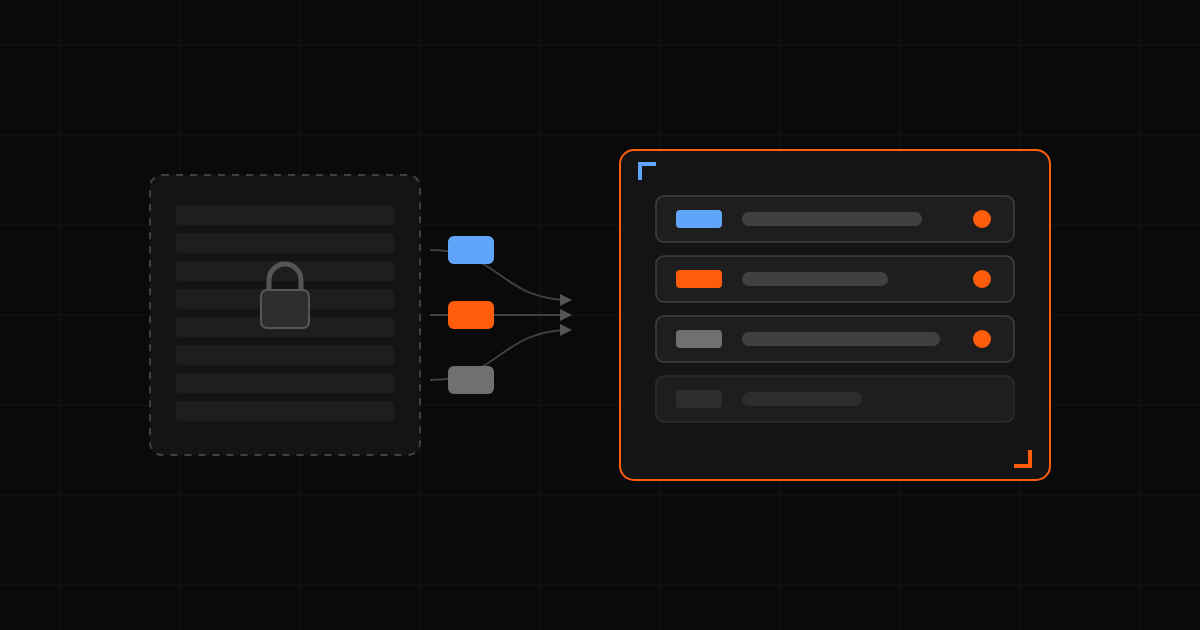
- Billing: turning flights and dues into charges members can understand. The failure mode is charges rebuilt by hand from the schedule - every manual transfer is a place numbers drift.
- Collection: getting paid without becoming the club's bill collector. The failure mode is awkward chases of fellow members; the fix is autopay and statements that arrive themselves.
- Reserves: funding engines, props, and paint per flying hour so overhauls arrive funded. The failure mode is a single lump balance nobody can attribute - keep reserve funds visibly separate.
- Reporting: telling the board what is true in numbers they can act on - cash, receivables, reserve funding versus wear, cost per hour per aircraft.
- Continuity: leaving books the next treasurer can run. If the club's finances only work inside your personal spreadsheet, the club has a single point of failure with your name on it.
2. The monthly close, systematized
A clean close is a checklist, not an adventure: verify every flight metered into a charge, post dues, apply payments against open balances oldest-first, review delinquencies against the club's written policy, transfer reserve accruals, export to the accounting file, send statements. On spreadsheets that's an evening or two. With the flight log, member ledger, and payments in one system, it's genuinely under an hour - most of it review rather than data entry.
3. Delinquency: policy beats personality
Money conflicts destroy more clubs than maintenance ever has. The protection is a written policy that executes automatically: statement on the first, reminder at fifteen days, flying privileges suspended at thirty - enforced by the booking system, not by the treasurer's courage. When the system delivers the bad news, the treasurer stays a member instead of becoming the villain.