+Ownership
Aircraft Leaseback to a Flight School: The Real Math
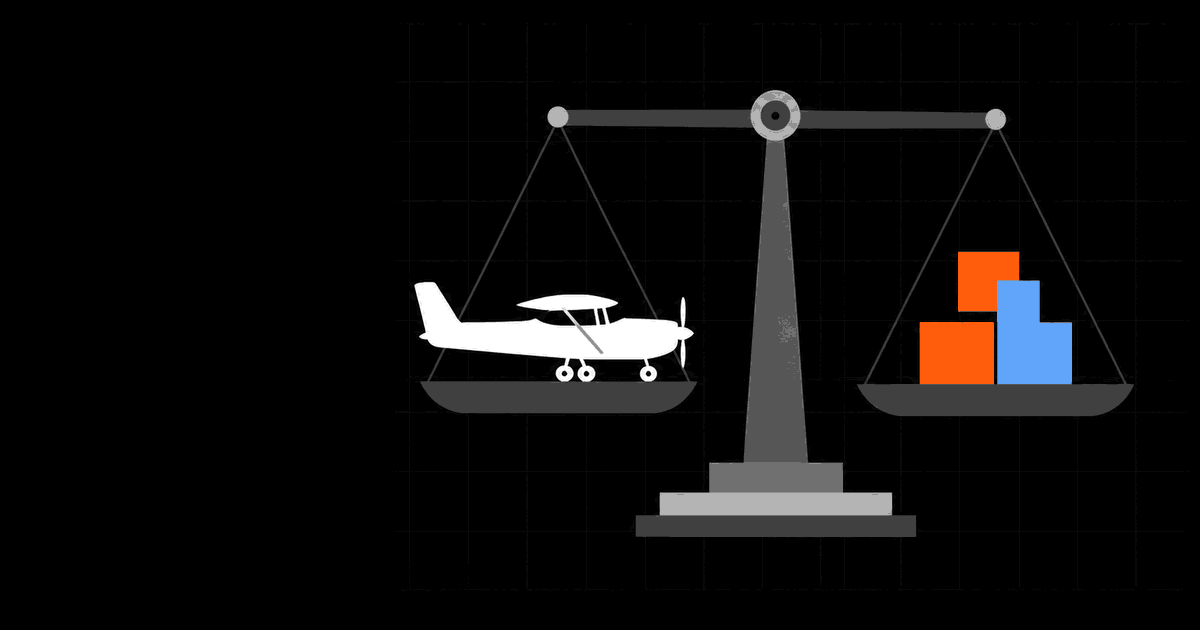
A leaseback is simple in structure: you own the airplane, a flight school or club rents it to its customers, and you receive a share of the hourly revenue while remaining responsible for the airplane. The sales pitch compresses that into "the airplane pays for itself." Sometimes it does. The owners who are happy in leasebacks are the ones who priced the cost side before signing, not after the first 100-hour invoice.
1. The revenue side, stated honestly
Say the school rents your 172 at $165 wet and your agreement pays you $115 of that, with the school keeping the rest for scheduling, fuel handling, and its margin. At 40 hours a month you gross $4,600. That number is real. It's also the last simple number in the deal, because every hour that produced it also consumed engine life, cylinders, brakes, tires, and interior at training-fleet intensity - touch-and-goes are the hardest hours an airframe flies.
2. The cost side, line by line
- Engine reserve at training intensity. The same overhaul-cost-over-TBO math as any shared aircraft, except a trainer reaches TBO in four or five years instead of fifteen. At $18-25 per hour, reserves consume a fifth of that $115 immediately.
- 100-hour inspections. An aircraft carrying paying renters and students is on the 100-hour treadmill (FAR 91.409(b)). At 40 hours a month that's an inspection roughly every ten weeks, each one an invoice and often a squawk list.
- Commercial insurance. Your owner policy doesn't cover rental and instruction. Expect a commercial policy at a multiple of your current premium, and confirm who pays it - you or the school - before signing.
- Wear items at fleet rates: tires, brakes, seat rails, radios worked eight hours a day. Budget maintenance beyond the reserves, not inside them.
- Downtime. Every day the airplane is in the shop it earns nothing and costs everything. Trainer utilization is lumpy; your projections shouldn't assume the best month repeats twelve times.
3. The tax angle, and its trap
Leaseback economics often lean on tax treatment: the aircraft becomes business property, depreciation shelters the revenue, and expenses become deductible. All genuinely possible - and all governed by passive-activity rules, personal-use limits, and hobby-loss tests that have caught many owners in audits. If the deal only works because of the tax treatment, have a CPA who knows aircraft leasebacks model it before you sign anything.
4. When leaseback actually works
- You were going to own the airplane anyway, and offsetting fixed costs - not profit - is the goal.
- The school is busy, solvent, and transparent: you can see the schedule, the hours flown, and every maintenance action on your aircraft without asking.
- The agreement names who pays for what - inspections, squawk repairs, insurance, fuel - and how you exit, in writing.
- You still get to fly it, and the personal-use terms are explicit.
The deals that end badly share one trait: the owner couldn't see the operation. Hours appeared on a monthly statement, maintenance happened somewhere, and the first sign of trouble was a mid-time engine running rough. Whatever agreement you sign, insist on live visibility into your own airplane - the schedule, the meters, the squawks, and the money.