+Operations
The Easiest Way to Manage Multiple Aircraft
The easiest way to manage multiple aircraft is setup discipline. The owners who scale smoothly from one tail to three set up four things on day one: a per-tail maintenance record, a shared schedule, a per-tail ledger, and one document folder per airframe. Owners who don't end up with a Slack channel that doubles as a logbook.
1. The four-record minimum
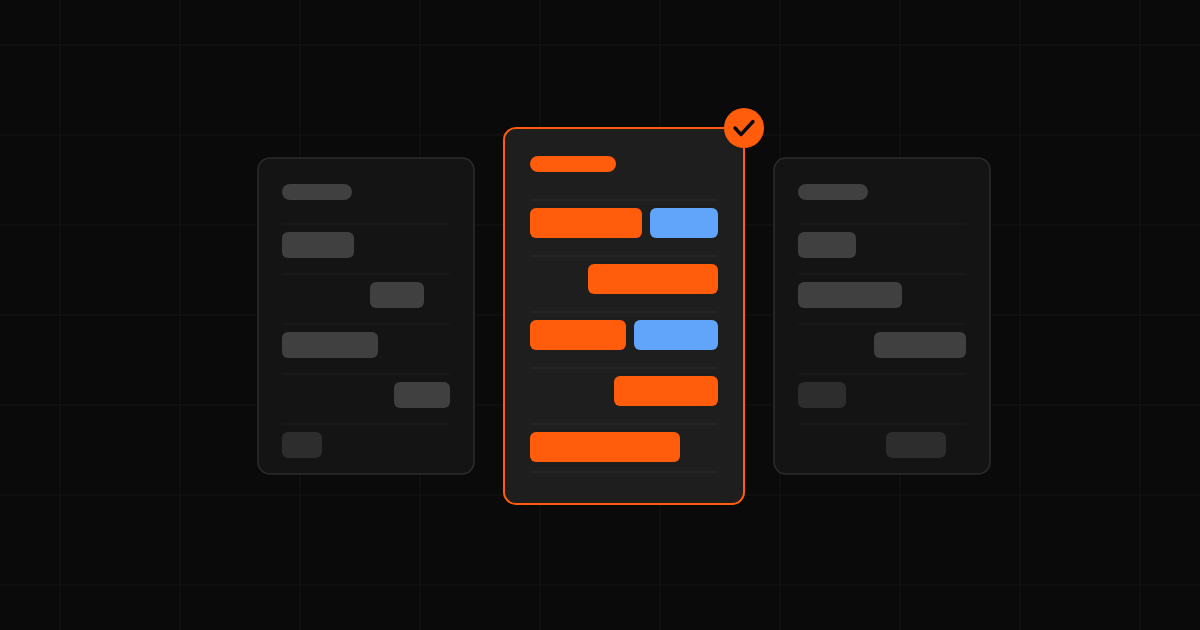
- Per-tail maintenance record. Date and hour triggers per item. Status visible without clicking into each airplane.
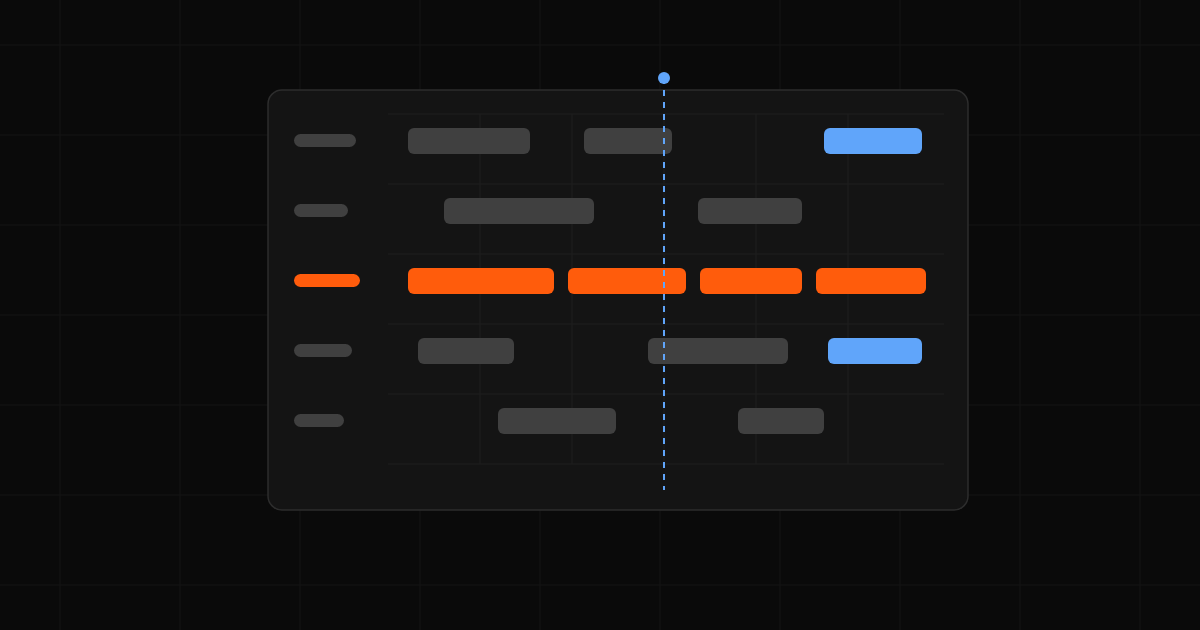
- Single schedule across the fleet. Filter by tail, but never split the schedule across tools.
- Per-tail ledger. Hours flown, fuel burned, charges accrued, separated cleanly so a co-owner question takes 10 seconds, not an hour.
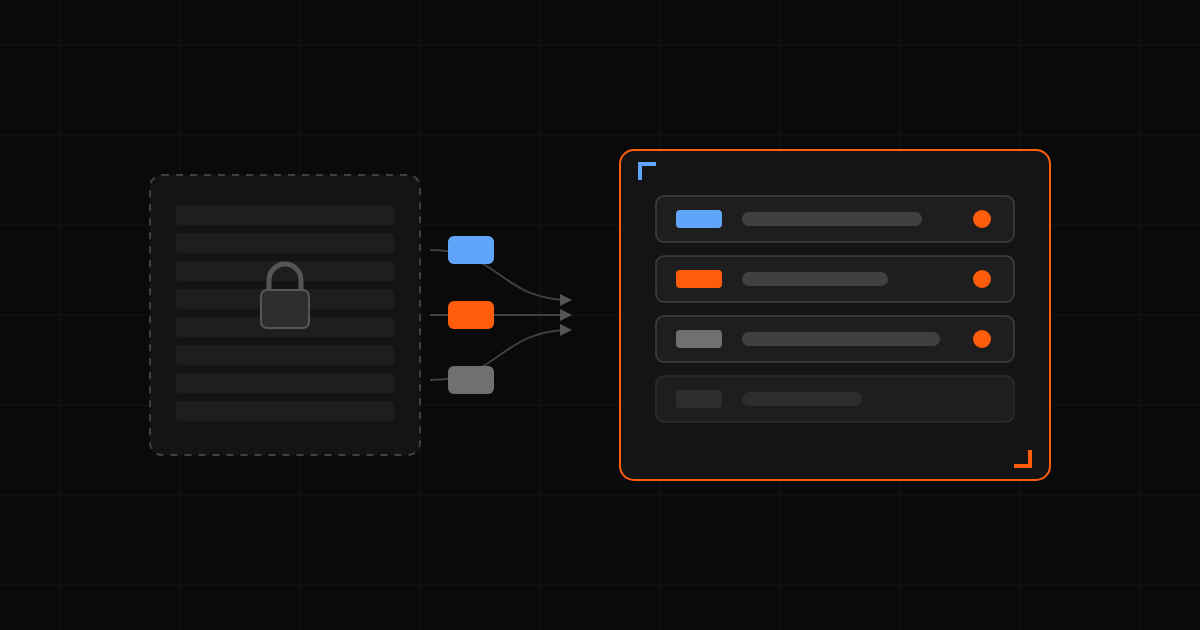
- One document folder per airframe. Registration, airworthiness, insurance, W&B, POH.
2. Mistake to avoid
Don't share one record across two airframes "until you grow into the second one." The data model never untangles cleanly. Set up the second tail correctly the day you take delivery, even if it doesn't fly for two weeks.
3. When to add the third tail
The transition from two airplanes to three is where most small operators stall. Two tails fit in one operator's head; three usually don't. Add the third tail when the per-tail ledger and shared schedule are running cleanly for the first two, not before. If two tails are still tracked across email threads and a spreadsheet, fix that first.