+Flight schools
Instructor Scheduling Shouldn't Burn Out Your CFIs
Every flight school owner knows the airline pipeline will eventually take their instructors. Fewer notice how many CFIs they lose before that - not to Delta, but to a schedule that pays them for four hours on a day they blocked out ten.
Instructor pay is mostly per-hour-flown. That means every gap between lessons, every no-show, and every weather scrub without a rebooking plan is unpaid time the instructor donates to the school. Stack enough donated hours and the instructor quits, and the school calls it pipeline attrition when it was really schedule attrition.
1. The three schedule failures that burn CFIs
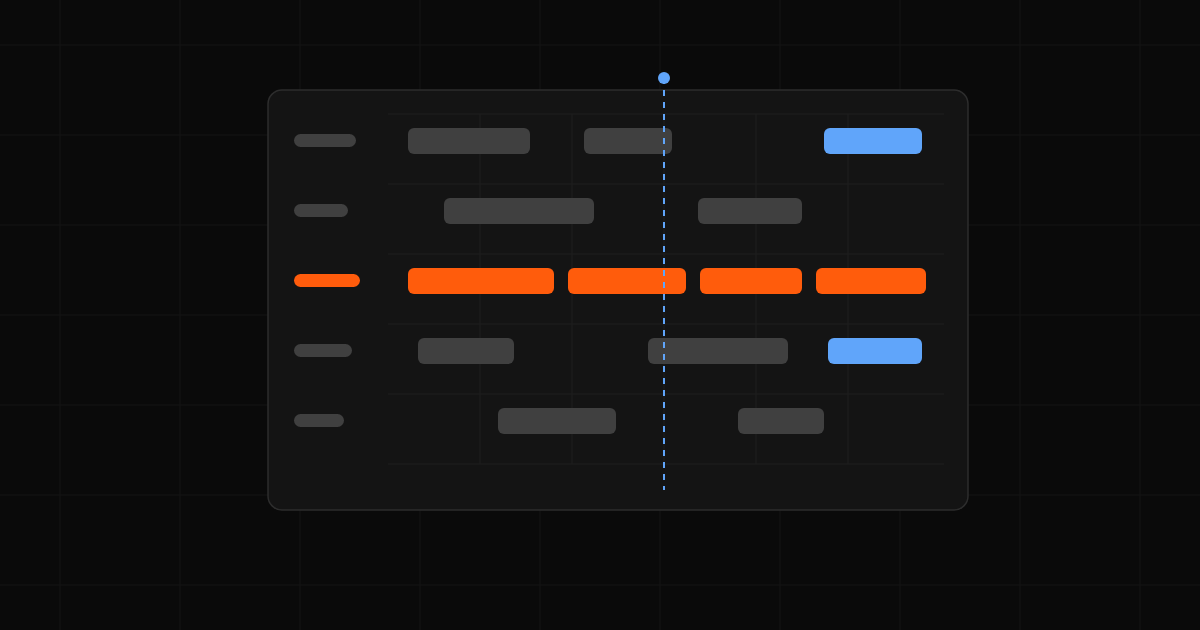
- Swiss-cheese days. A 9 a.m. and a 4 p.m. with nothing between. The instructor is at the airport all day for 2.4 billable hours. Fix: availability windows that cluster bookings, and letting instructors mark preferred blocks instead of just open time.
- No-show roulette. A student who cancels at 8:45 for a 9:00 lesson cost the instructor that revenue. Fix: cancellation policies the software enforces - late cancellations get charged, and the slot reopens instantly to standby students.
- Pairing chaos. Students bounce between instructors based on whoever is free, so nobody owns progress and lessons repeat. Fix: primary-instructor pairing in the booking rules, with overrides that are deliberate rather than accidental.
2. What good instructor scheduling looks like
The mechanics aren't complicated; they're just impossible to run by hand at scale. Instructors publish availability once instead of fielding texts. Students book within the rules the school set: pairing, aircraft checkout requirements, and daily limits. When weather scrubs a lesson, the rebooking happens in the app while the disappointment is fresh, not three phone calls later.
The metric worth watching is billable ratio: hours flown divided by hours the instructor was on the schedule. Schools that measure it find the same thing - the difference between a CFI who stays two years and one who leaves in eight months is often a ratio gap of twenty points, and the gap is schedule design, not student demand.
3. The compounding payoff
Tight instructor scheduling compounds: fewer gaps means better instructor earnings, which means longer tenure, which means consistent students, which means better completion rates - which is where schools actually make money. For a training operation, the calendar is the product.