+Partnership finance
How to Split Aircraft Costs in a Partnership
Every shared-aircraft group eventually has the same argument: who pays for what, at what rate, and how often. The fight usually starts with rules nobody wrote down. This post is the framework that prevents it.
1. Separate fixed costs from variable costs
Before you pick a billing method, split the aircraft's annual budget into two buckets:
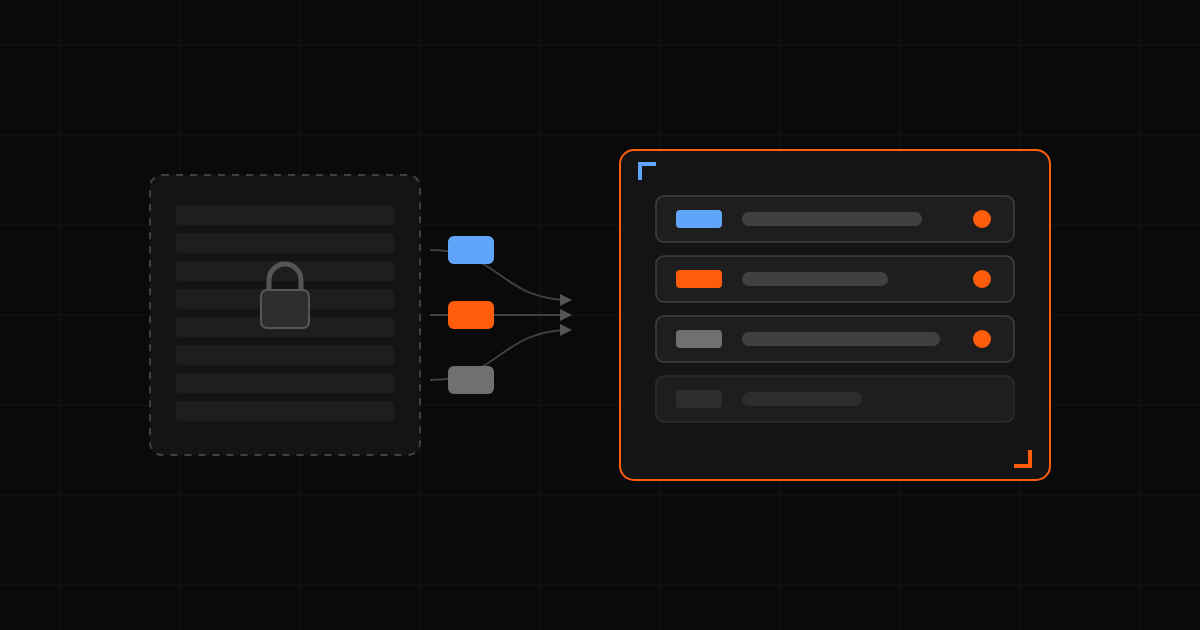
- Fixed costs: hangar rent, insurance, annual inspection, subscriptions, association fees. These are incurred whether the aircraft flies or not.
- Variable costs: fuel, oil, maintenance that scales with hours, engine and prop reserves. These are incurred only when the aircraft flies.
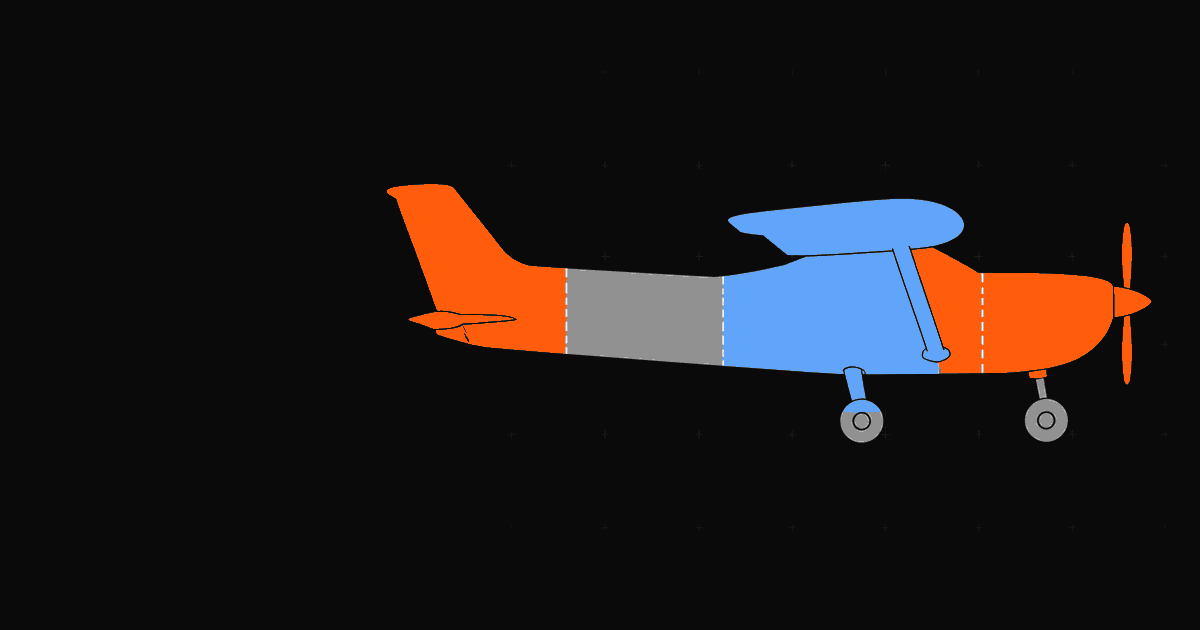
Fixed costs should be split by ownership share. Variable costs should be split by hours flown. Mixing the two is where partnerships get in trouble.
2. Pick one billing method per variable category
For every variable cost, pick exactly one billing method:
- Hourly-wet: the partner pays a single rate per flight hour that includes fuel. Simple but only works if your fuel price is stable.
- Hourly-dry plus actual fuel: the partner pays a rate that excludes fuel and then reimburses for the fuel they burned. More accurate when fuel prices swing.
- Hobbs vs tach: Hobbs measures clock time with engine running; tach measures engine rotations normalized to a cruise RPM. Tach billing is common on pistons because it smooths out taxi time.
3. Fund your reserves before you need them
Reserves are money set aside for future events that haven't happened yet: engine overhaul, prop overhaul, avionics replacement, next annual. The single biggest source of partnership disputes is an overhaul bill that nobody reserved for.
A basic piston reserve schedule looks like this:
- Engine reserve: total overhaul cost divided by TBO hours, accrued per flight hour.
- Prop reserve: prop overhaul cost divided by prop TBO, accrued per flight hour.
- Avionics reserve: lump sum accrued monthly per partner, based on replacement cost of the panel.
- Annual reserve: expected annual inspection cost accrued monthly, so the bill doesn't land on one partner's shoulders.
Post the reserves to a shared balance every month, whether anyone flew or not for fixed reserves, or per-hour for variable reserves. Skipping a month is how a partnership arrives at its first overhaul without the money.
4. Handle the edge cases upfront
- No-flight months: fixed costs still split by share. Variable costs and reserves pause.
- Training flights: some partnerships charge a reduced rate when a member is receiving dual instruction; others don't. Decide before it comes up.
- Guest pilots: the member hosting the guest pays the variable cost; some partnerships also charge a guest surcharge.
- Non-flying partners: if a partner stops flying for a season, they still owe fixed costs. Reserves are paused for them until they return.
5. Write it down and stop arguing
Once your cost rules are decided, put them in writing, in your partnership agreement and in whatever system logs flights. When the rules live in software, the math is automatic and the conversations about "how did we calculate this" stop.