+Independent CFIs
Going Independent as a CFI: The Business Side Nobody Teaches
An independent CFI with eight students has a real small business: recurring customers, perishable inventory (your hours), accounts receivable, and a no-show problem. Most instructors run it on a group text and a memo pad, then wonder why a full schedule still produces a thin month. The flying is the product; the business is everything below.
1. Your calendar is your inventory
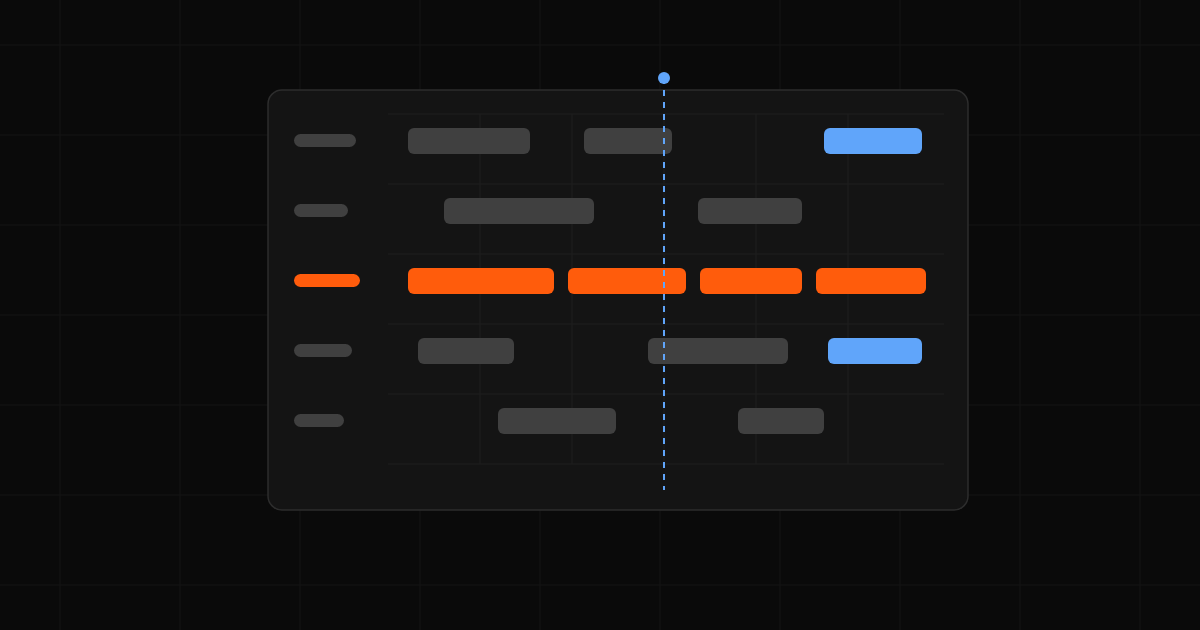
A school fills gaps with other students. You don't have that luxury - an hour that goes unbooked or gets cancelled at 8:45 is revenue that never existed. Three policies protect the inventory: publish your availability so students book what is actually open instead of negotiating by text, cluster bookings into blocks so you aren't at the airport nine hours for three billable, and enforce a written cancellation window. Twenty-four hours is standard; the exact number matters less than it being written, told to every student on day one, and applied without a per-case negotiation.
2. Charge for what you do, not just what you fly
- Ground and pre/post briefing time is instruction. A 1.5 flight with 45 minutes of briefing is 2.2 billable, not 1.5. Instructors who bill Hobbs-only donate a third of their working day.
- Set one rate and stop discounting privately. A quiet deal for one student becomes the rate everyone heard about.
- Invoice the same day as the lesson, every time. Receivables age fast when the counterparty sees you weekly and pays "next time."
3. Flying in someone else's airplane
Most independent CFIs teach in the student's or an owner's aircraft, and the arrangement deserves ten minutes of adult conversation before the first lesson: confirm the owner's insurance actually covers instruction given in the aircraft and that you're named or covered as an open-pilot instructor, agree on who pays for fuel on dual flights, and check the maintenance status yourself - annual, transponder cert if you're going into controlled airspace, AD compliance. Your certificate is attached to every flight; "the owner said it was fine" isn't an airworthiness determination.
Carry your own CFI liability policy regardless. It's one of the cheapest insurance products in aviation relative to what it protects, and the owner's policy protects the owner, not you.
4. The taxes are boring and mandatory
You're self-employed: quarterly estimated taxes, a separate bank account from day one, and every aircraft rental, headset, iPad subscription, and FIRC tracked as a business expense. None of this is hard. All of it compounds badly when deferred to April. A CPA who knows aviation costs a few lessons' worth of revenue per year and typically pays for itself.
5. The admin is the burnout, not the students
Ask instructors who quit independent work and it's rarely the teaching - it's the evenings: rebuilding the week's schedule by text, chasing two unpaid invoices, reconstructing a student's progress from memory. The instructors who last treat those as systems problems and put the booking rules, the cancellation policy, and the billing somewhere that runs without them.