+Flight schools
Part 61 vs Part 141: Which Should Your Flight School Be?
Ask the internet about Part 61 versus Part 141 and you'll get the student answer: 141 has lower minimum hours and structured stage checks, 61 has flexibility. Useful, but it isn't the operator's question. If you run or are starting a school, the real question is what each framework does to your business.
1. What Part 141 actually buys the school
- Access to funded students. VA education benefits and many international training contracts require an approved 141 program. If those markets matter to your growth plan, 141 is the ticket, not a preference.
- A structure that scales teaching. An approved syllabus with stage checks means training quality doesn't depend on each CFI's personal method - which matters more as headcount grows.
- Credibility with partners. Universities, lenders, and some insurers treat the FAA's ongoing oversight as third-party validation.
2. What it costs
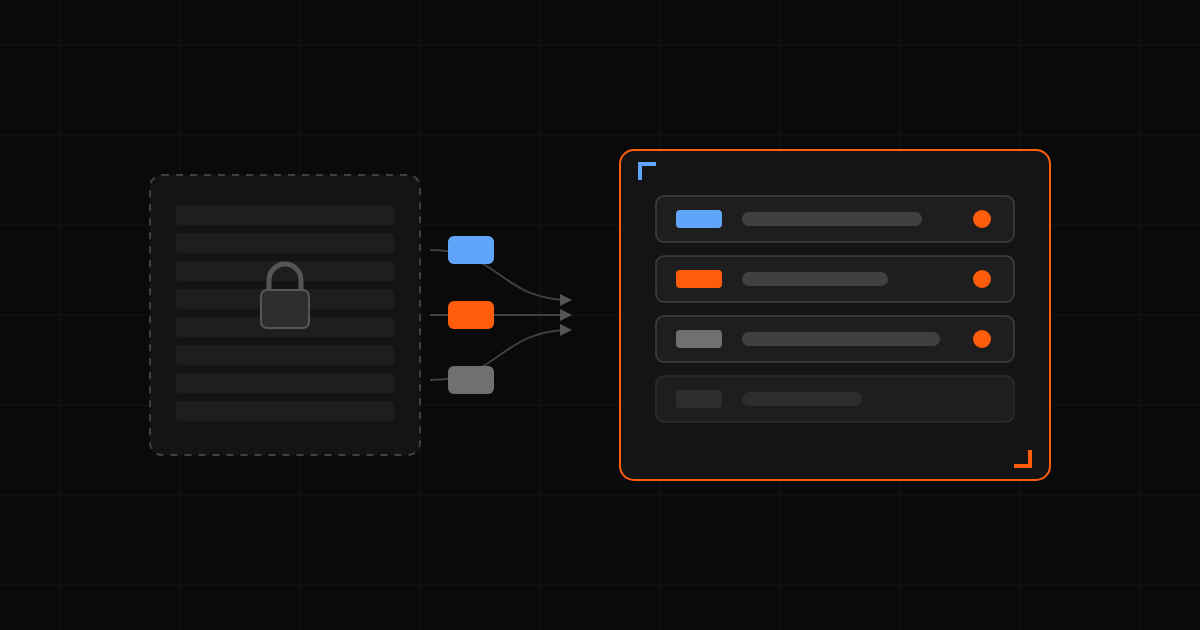
The approval process itself - training course outlines, chief instructor requirements, facility standards - is a project measured in months. The permanent cost is recordkeeping: enrollment certificates, stage check documentation, curriculum compliance per student, and records the FSDO can inspect. Schools underestimate this constantly, and the schools that suffer are the ones tracking it in binders and spreadsheets.
Part 61, by contrast, asks little of the school as an institution - which is exactly why most small schools and independent CFIs live there happily. Flexible sequencing fits real weather and real student lives. The tradeoff is that everything depends on individual instructor discipline, and the school has no regulatory moat around its markets.
3. The honest decision framework
- Chasing VA or international contract students? You need 141. Plan the approval project properly.
- Mostly local private-pilot and rental customers? Part 61 keeps overhead proportionate to the mission.
- Growing past a handful of instructors? Consider running both tracks - 141 for the funded programs, 61 for everyone else. Many established schools do exactly this.
Whichever framework you choose, the operational truth is the same: training records, instructor qualifications, aircraft airworthiness, and student progress all have to be findable when someone official asks. The framework decides how much paperwork exists; your systems decide how fast you can find it.