+Compliance
How to Track Aircraft Airworthiness Directives (ADs)
An airworthiness directive is the FAA telling you to fix something specific or stop flying. There are two kinds, one-time ADs and recurring ADs, and the system you use to track aircraft airworthiness directives needs to handle both, because the consequences of missing either are the same: the airplane is no longer airworthy.
1. Where ADs come from
- FAA Regulatory and Guidance Library (rgl.faa.gov): the authoritative source.
- Manufacturer service bulletins that get elevated into FAA ADs.
- Engine and prop manufacturer ADs (separate from airframe).
- Avionics ADs, especially on TSO'd displays and autopilots.
2. What a tracking system actually has to do
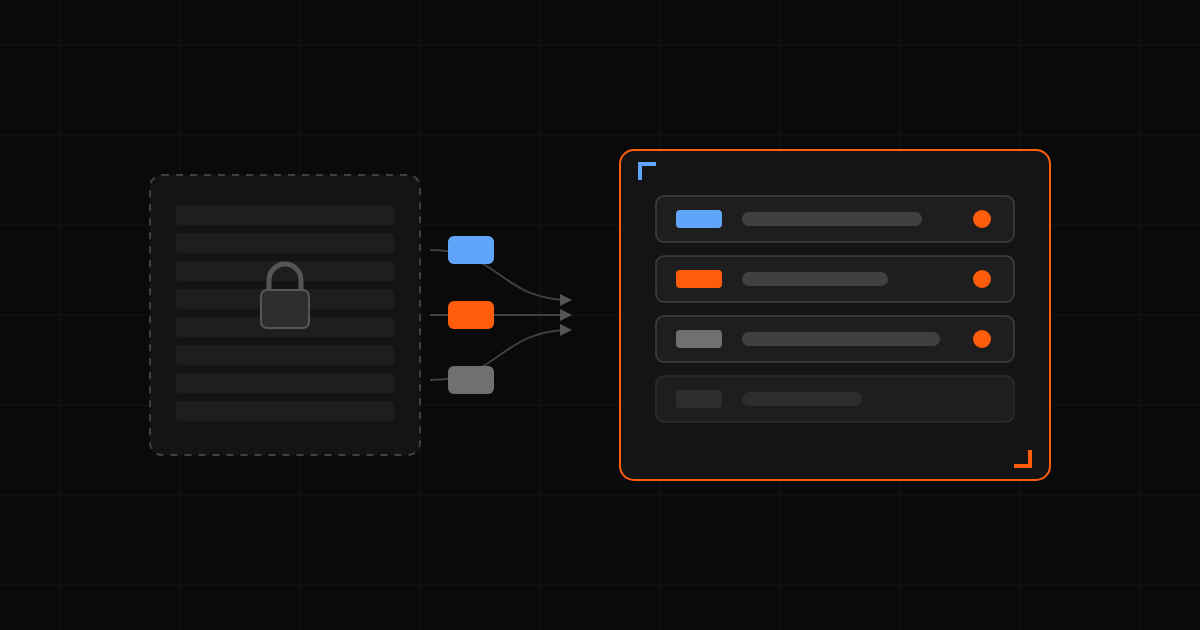
Hold the AD number, applicability (your serial range), method of compliance, recurring interval (if any), and the date or hours-flown of last compliance. From those five fields, project the next due event. If your tracking can't project the next event automatically, it isn't tracking. It's archiving.
3. The owner's job vs. the A&P's job
The A&P signs off compliance. The owner is responsible for knowing what's due. Don't rely on the annual to surface an overdue recurring AD that's been due for months: that's a deferral risk and a paperwork risk.